Non-Surgical Treatment Options for a Herniated Disc – Insights from Dr. Venkatesh Yeddula
A herniated disc, sometimes called a slipped or ruptured disc, is a condition that can cause intense back or neck pain, numbness, and even weakness in the limbs. Between each vertebra in the spine are soft, cushion-like discs that act as shock absorbers. When the soft inner portion of a disc pushes out through a tear in its outer layer, it can press on nearby nerves, leading to discomfort and reduced mobility.
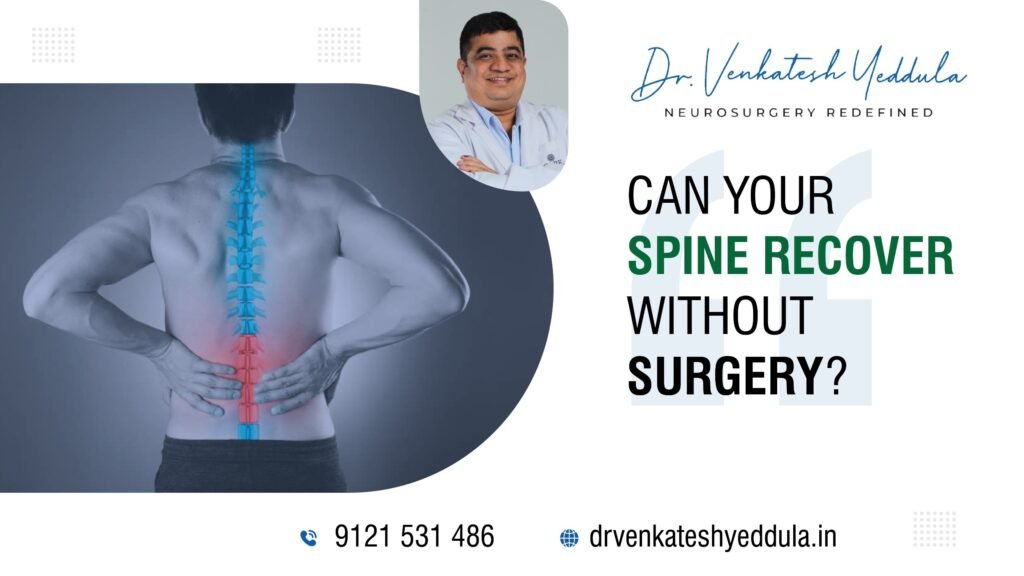
While the term may sound alarming, not every herniated disc needs surgery. In fact, most cases can be effectively managed with non-surgical treatments that reduce pain, improve function, and help patients return to their daily activities.
Why Does a Herniated Disc Happen?
Herniated discs can occur for several reasons:
- Age-related changes – Over time, discs lose their flexibility and cushioning ability.
- Sudden injury or trauma – Falls, accidents, or lifting heavy objects incorrectly can trigger a disc rupture.
- Poor posture – Long hours of sitting or incorrect body mechanics can put extra pressure on the spine.
- Obesity – Excess weight increases strain on the spine.
How is a Herniated Disc Diagnosed?
Before suggesting a treatment plan, Dr. Venkatesh Yeddula conducts a thorough assessment, which may include:
- Physical examination – Checking muscle strength, reflexes, and walking ability
- Imaging tests – Such as MRI, CT scans, or X-rays to locate the exact problem
Non-Surgical Treatments for a Herniated Disc
- Non-Steroidal Anti-Inflammatory Drugs (NSAIDs):
These help reduce inflammation around the affected nerve, easing both swelling and pain. - Muscle Relaxants:
If the herniated disc irritates a nerve, the surrounding muscles may go into spasm. Short-term use of muscle relaxants can reduce these spasms and improve comfort. - Pain Relief Medications:
Over-the-counter or prescription painkillers can help patients stay active while their body heals. - Corticosteroid Medications:
If other medicines aren’t effective, corticosteroids can reduce inflammation and nerve pressure, leading to better mobility and less discomfort. - Weight Management:
For patients who are overweight, even modest weight loss can significantly reduce spinal strain and nerve compression. - Physical Therapy:
A customized physiotherapy program strengthens the back, core, and leg muscles, improves posture, and relieves nerve pressure. - Corticosteroid Injections:
In cases of persistent pain, targeted injections deliver anti-inflammatory medication directly to the affected area for faster relief. - Acupuncture:
Some patients find significant improvement through acupuncture, which stimulates natural pain-relieving chemicals in the body.
Expert Advice from Dr. Venkatesh Yeddula
“Surgery is not always the first step for a herniated disc. In most cases, a structured non-surgical treatment plan can relieve pain and restore normal function. My goal is to choose the least invasive, yet most effective method for each patient,” says Dr. Venkatesh Yeddula, Senior Consultant Neurosurgeon.
About Dr. Venkatesh Yeddula
With over 31 years of experience in neurosurgery, Dr. Venkatesh Yeddula is a trusted name in treating complex brain and spine conditions. His expertise includes neurovascular surgery, spine surgery, paediatric neurosurgery, awake craniotomies, deep brain stimulation, and minimally invasive spine surgeries. He is known for combining advanced surgical skills with a patient-first approach.
If you are struggling with back pain, numbness, or symptoms of a herniated disc, consult Dr. Venkatesh Yeddula for a personalised treatment plan.
📞 Call us today to book an appointment or visit our clinic in Hyderabad.